Kids will be amazed by this simple pepper and soap science experiment that shows how using soap while washing hands makes “germs” scatter. This easy hand washing science demonstration is a memorable visual activity for preschool, kindergarten, and elementary kids.
Looking for a quick and meaningful hand washing science experiment for kids? This simple pepper and soap experiment is one of the easiest ways to show children why soap matters when washing hands.
Yes, dish liquid is great for washing dishes, but it is also a helpful tool for hands-on science. In the classroom, I loved using this quick germ science activity to demonstrate the importance of using soap instead of only rinsing with water.
With this simple science demonstration, you can give kids a vivid visual that helps them remember to use soap each time they wash their hands. The pepper acts like pretend germs, and when soap touches the water, the “germs” quickly scatter.
Bonus! Kids are also learning a little about surface tension along the way. Science projects at home and in the classroom are always more fun when kids can see the reaction happen right in front of them.
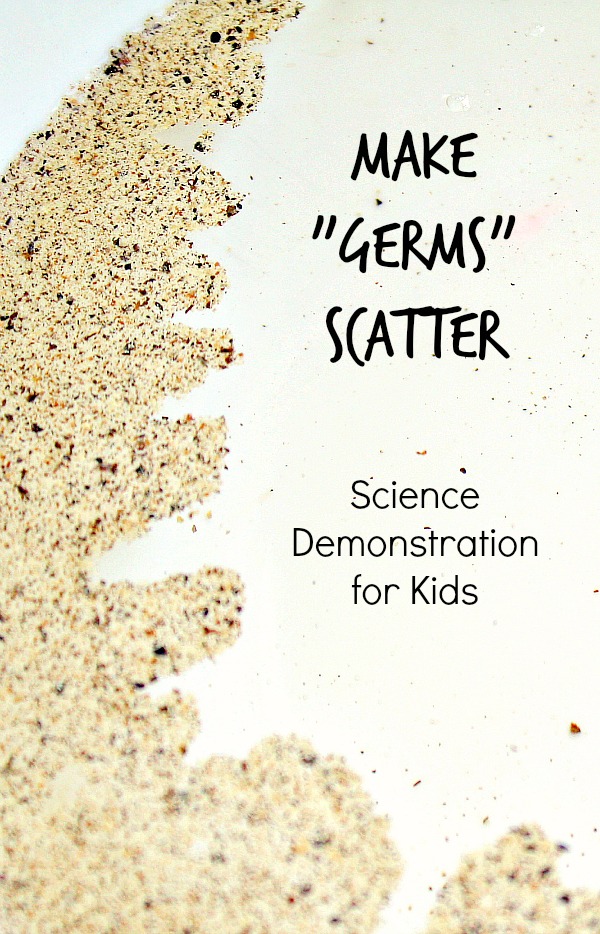
Pepper and Soap Science Experiment for Kids
Sometimes the simplest experiments make the biggest impact. This easy pepper germs experiment is not only fun to watch, but it also gives kids a concrete way to understand why washing hands with soap is important.
We like to talk about all types of science topics in our home and then follow those conversations with a simple experiment whenever possible. Hands-on activities like this make learning fun and create a stronger connection between real-life habits and science concepts.
What we enjoyed most about this soap and pepper experiment is that it can be done quickly in science class, at home, or as part of a health and hygiene lesson. It also makes a cool exhibit or demonstration for a science fair because the reaction is fast, visual, and easy for children to explain.
This activity works well for many ages. It can be used as a preschool science lesson, a kindergarten hand washing activity, or a simple elementary science experiment. Older kids can take the investigation further by learning about the experimentation process, making predictions, and exploring how soap changes the surface tension of water.
This is one of those amazing science experiments kids want to do over and over again. They love watching the pretend germs scatter, and the visual reminder helps reinforce an important healthy habit.
Watch the Hand Washing Science Demonstration Video
You can watch the full hand washing science demonstration in this short video.
Supplies for the Pepper Germs Experiment
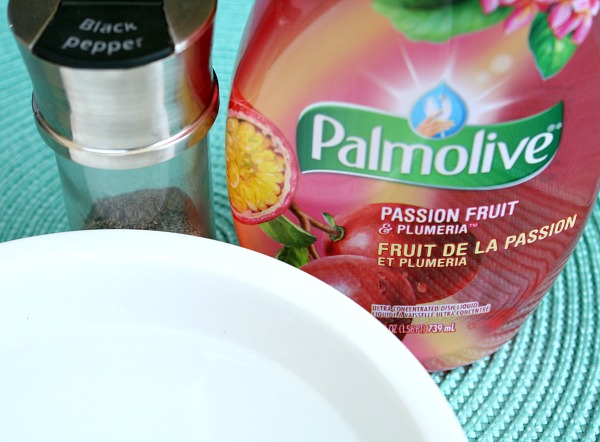
When we did this demonstration, I started by gathering a bowl of water, black paper, and dish soap. Then I asked the girls to talk with me about what they know about soap and why we use it.
You only need a few basic supplies for this easy science experiment for kids:
- A bowl or shallow dish of water
- Black pepper
- Dish soap or liquid hand soap
- Black paper or a dark surface, optional
How to Do the Pepper and Soap Experiment
After our chat, I told them we were going to learn about how soap makes germs scatter. I asked them to sprinkle some pepper into our bowl of water. Don’t add too much pepper, or the demonstration will not work as well.
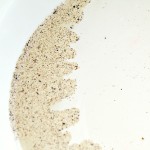
Have kids observe how the pepper floats on the surface of the water. Explain that, for this science demonstration, the pepper is pretending to be germs on the surface of our skin.

Next, cover one finger with dish soap. Our container was full, so we just dipped a finger in, but you could also squirt the soap on the finger or dip a finger into a smaller container with soap poured in it.
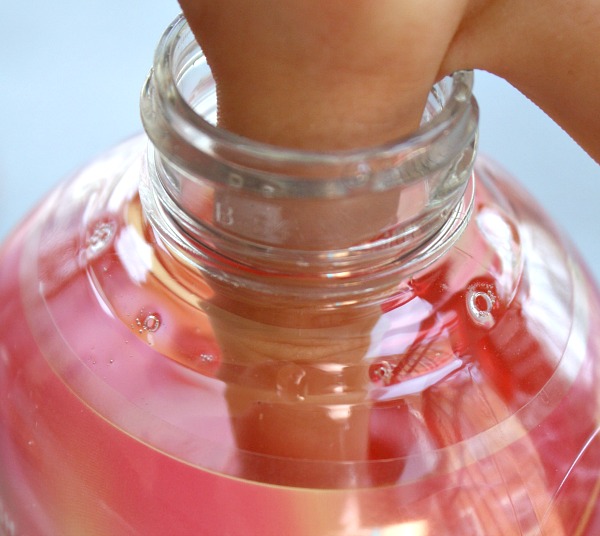
Now for the big moment! This part happens fast, so make sure everyone is watching. Stick the soapy finger into the water in the center of the bowl if possible.
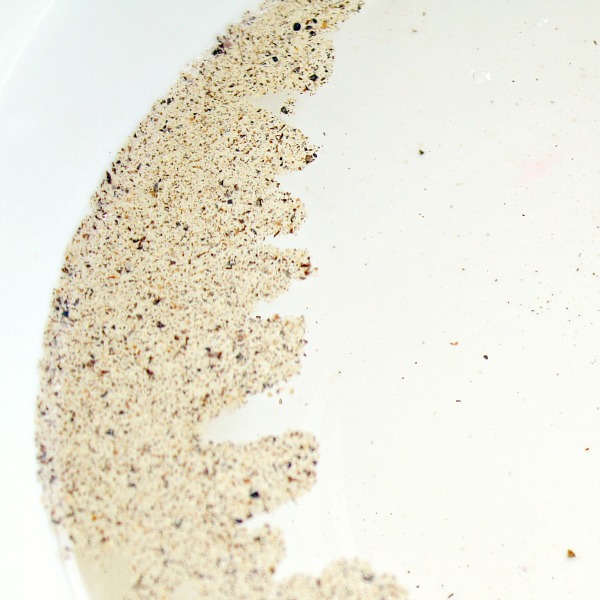
And POOF! Those “germs” scatter to the edge of the bowl. It is quick, but powerful, and kids remember that moment. Afterward, we talked about how the “germs” move away from the soap and what we can learn from this demonstration.
This was always a powerful message that stuck with my kindergarteners when I was teaching in the classroom, and so far it has had a lasting impression on my own girls as well.

The Science Behind This Hand Washing Demonstration
A note about why this happens:
Inquisitive little scientists might want to know exactly why the pepper moves away from the soap, since the pepper is not really germs. Basically, this demonstration has more to do with the soap and water. The pepper simply allows kids to see what is happening on the surface of the water.
Water has surface tension, which helps the pepper float on top. When soap is added to the water, it lowers the surface tension and causes the water molecules on the surface to pull away from the point where the soap was added. As the water moves away, the pepper moves with it, making the pretend “germs” scatter.
That visual connection is what makes this surface tension experiment for kids such a helpful hand washing activity. Children can see that soap changes what happens on the surface, which helps them remember that soap is an important part of getting hands clean.
Make Germs Scatter Hand Washing Science Demonstration
Materials
- Small or Medium sized bowl (full of water)
- Ground Black Pepper
- Dish Soap (any brand)
Instructions
- Start by gathering your bowl of water, black pepper, and dish soap
- Sprinkle some pepper into your bowl. These are the "germs" on our skin.
- Cover one finger with dish soap.
- Stick the finger into the water, in the center of the bowl if possible.
- See the pepper "germs" scatter from the soap!
More Hand Washing Tips and Resources
Don’t forget a helpful hand washing song!
Help kids remember to wash long enough with a fun hand washing song for kids. Over on Fun-A-Day you can grab the free printable pictured below and see a collection of YouTube videos about hand washing to choose from.

Teach curious kids the history of hand washing!
Max Brooks shares the history of hand washing over on History.com. There’s even a free printable activity that includes another fun science experiment about germs.
Get help teaching 13 key classroom procedures
We know there are more routines to teach in the classroom than hand washing.
This 605 page classroom procedures bundle is full of step-by-step instructions for everyday routines children engage in at school, along with helpful tips and guidance to help you teach clear and detailed steps for 13 key classroom routines to your students.
As a bonus, we’ve added social distancing and online learning routines to accommodate today’s unprecedented learning environment.


Also available on Teachers Pay Teachers.
Last Updated on June 14, 2026 by Shaunna Evans
Brenda Conni
I Love it and will use it for the beginning of my virtual STEM classes. I have K-1st together, 2nd-3rd together. I will also usethe bread slices for grades 4th-5th together.
Thank you!
Shaunna
Yay! That’s so great to hear, Brenda! Good luck with your STEM classes!
Debi
Hi. This is one of my class’ favorite activities. I have been doing it for several years now and it never gets old. I have my kids put their finger in without soap first and the “germs” stay on. Then we use soap amd the “germs” wash off. If a child has sensory issues, they can use a Q-tip-it still works. Hope my suggestions help someone.
Shaunna
Thanks so much, Debi, for sharing your classroom experience with me! I am so glad that this activity is such a success with your students!
-Shaunna
Katie
Hi I want to do this activity with our social skills group that meets virtually, do I need permission to share this on our webpage or can I credit you on our webpage? Great idea, our learners are very visual and this will stay with them!
Shaunna Evans
Hi Katie! On your webpage you may share an image and link to this post so people can access the directions and information. Please do not copy and paste all of the content to your webpage. I hope your group enjoys the activity!
Salena Mullinax
Thank you such an interesting activity pertaining to the need for cleanliness.
Shaunna
You are welcome, Salena! Thanks for sharing your feedback with me.
Anne at Left Brain Craft Brain
Such a impactful, but still simple way to teach kids about germs. I’m definitely going to do this! Thanks for sharing at the Love to Learn Linky.
Shaunna Evans
Thank you, Anne!
Emily
Brilliant way to use Palmolive dish soap outside of the kitchen! And so timely as many children are heading back to school now. I think this would be a great experiment to do just before cold and flu season too. #client
Shaunna Evans
Oh, that’s a terrific suggestion, Emily. Thank you!
Clare
Wow – that is really cool, and a brilliant way to learn about germs.
Melanie Thomas
Great experiment. I showed your video to my 4 year old, we both learned something. Pinning to my Science board.
Angel Casale
Hi, Stopping by from Mom’s Library linky. This is such a great science experiment. My 4 year old just asked why he has to wash his hands before he eats and I tried explaining but this will actually show him. Pinned!
Shaunna Evans
What a great teachable moment, Angel!
Sheila @ BrainPowerBoy
Stopping by from Mom’s Library linky to say hi and let you know how much I like your post. We are going to give this a try today. Even though my son is older I think he will still enjoy it. Pinned.
Ann @ My Nearest and Dearest
Great idea! We’ve been talking about germs a lot lately. This is such a good way for kids to actually see what happens when they use soap. Will definitely give it a try. 🙂